


Fascist states are a kind of totalitarian authoritarian State which aims to dominate every aspect of life. All communities have to think about dealing with troubled youth and offending juveniles, and consider whether they should be treated like adults or not. Like other states, Fascist governments have to deal with young offenders. Italy was a latecomer to instituting a justice system for juveniles, but the first fascist state to do so.1
In 1934, Benito Mussolini established a national system of juvenile courts (Tribunali per i minorenni), which sought to identify youths who were “dangerous to society” and prescribe Fascist re-education programs for them.

Juvenile Reform in Mussolini’s Italy
During his first decade in power, Mussolini’s regime began introducing a juvenile justice system into penal, civil, and police legislation. These efforts allowed his regime to define and discipline what they considered dangerous boys and girls.
The newly established courts in each of Italy’s 26 appellate-court districts were given complete jurisdiction in their areas over those under 18 years of age. Unlike courts where adults were tried, these juvenile courts enjoyed “more flexible rules and informal procedures.” For example, these judges enjoyed “sweeping powers to investigate the causes of juvenile misbehaviour” and could hold private hearings without defence counsel. Their powers allowed them to “individualise corrective measures according to the child’s personality.”
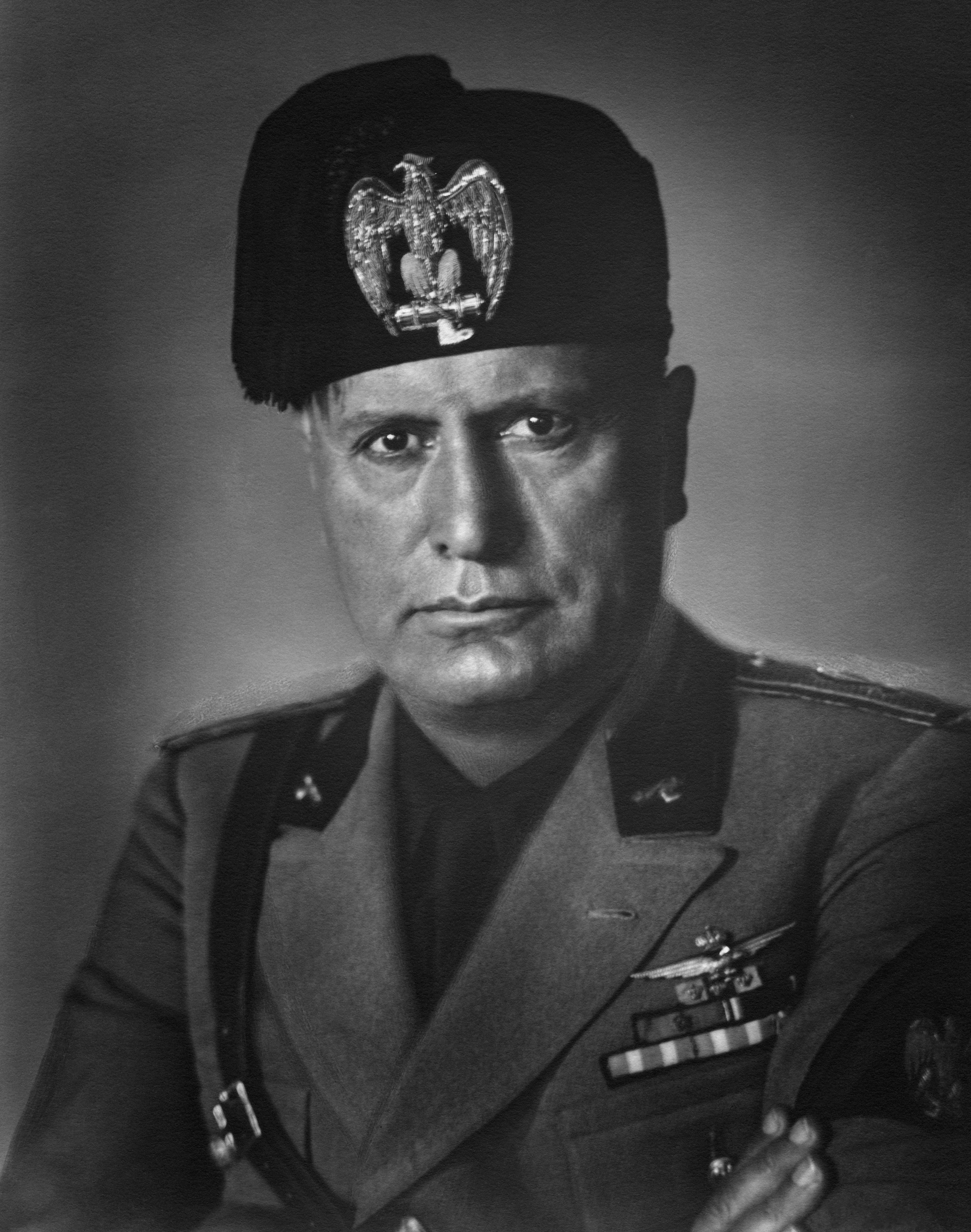

This implies that State officials can assess their personalities and decide which course of treatment is more likely to transform them into healthy citizens. The appointed magistrates also decided what to do with non-criminal youth, including those who were abandoned, neglected, or wayward.
The juvenile system was designed to reach deeply into Italian society and reshape every aspect of it. The penal codes allowed intervention over crime-committing youth. One tool was civil detention, which was meant for wayward, errant, or deviant children. The creeping State also delineated a moral dimension to its intervention into Italian households, focusing on parents and guardians and their ability to educate and adequately care for their children. Simon Fraser posits that most research has focused on other aspects of Mussolini’s policies towards youth, such as promoting higher fertility rates and protecting maternity; however, little attention has been paid to the juvenile court system and its significant role.
Fraser argues that the juvenile courts worked in tandem with the totalitarian dictatorship to indoctrinate and reclaim Italian children.
Juvenile courts intervened in families’ private lives to a degree not seen before, and subjected thousands of minors to re-education programs. Such drastic measures were justified under the guise of protecting children, preventing crime, and ensuring racial purity. Before these efforts, there was an institution dedicated to paternal correction, which, on occasion, had detained children for unruliness or decadence, but its powers were much more limited.
Florence and the Rehabilitation of Non-Criminal Youth
Fraser has studied one of the more “fascistic” elements of these juvenile courts, which, between 1934 and 1945, ordered the “indefinite detention of non-criminal but socially dangerous minors. He wants to assess how fascist the courts were and whether they adhered to global norms concerning juvenile systems. Thus, his focus is on how the courts functioned and adjudicated cases rather than on how children were reeducated.
Fraser claims Florence is a good place to carry out such a study because the records are almost complete and include penal, civil, and administrative cases. Based on Fraser’s initial review of hundreds of files, he thinks civil detention was widely employed, allowing the state to encroach on the privacy of the home. This was made possible by viewing juvenile justice as part of the efforts to ensure public security, and it was only loosely connected to other existing civil or criminal laws. Further, the state made an effort to break families and send children far away.
The reforms of 1934 had broadly expanded who could bring a case and expanded preliminary civil detention. The courts in Florence were happy to use this from the beginning, and during the first year, they oversaw 150 cases, putting 75% of children under indefinite detention. During the 1936-39 period, the courts in Tuscany detained over 800 children. Most of those arrested were boys. Most of the cases against girls were brought by fascist party officials. Boys were committed for vagrancy or refusing to work, whereas some girls were charged with promiscuity or an appetite for luxury. These differences suggest that there was a gendered ideal for young Italians, and those who deviated from this ideal were seen as problematic.
Juvenile Courts & The Remaking of Fascist Italy
Fraser concludes that the juvenile court system in Fascist Italy owes much to fascist thinking and the state’s totalitarian ambitions. This concern fits well within the Italian Fascist agenda, which was concerned about racial fitness, demography, and social welfare. In his view, science and medicine do not appear to play as significant a role as fascist ideology in their treatment of juveniles. This post is based on preliminary research, and Fraser intends to complete this project. It will be exciting to see what comes out of his work.
Conclusions
Mussolini’s effort to reform juvenile justice and create a system in which young people could be remade shows how prevalent the idea was that people could be remade through re-education programs. Fascist totalitarian states, like Mussolini’s Italy, sought to deploy every weapon at their disposal to achieve complete control over their countries.
A few weeks ago, we published an article about Czechoslovakian work camps, which explored how Communist ideology both created and destroyed their efforts to reeducate people.
Communist Ideology Doomed Czech Work Camps

In the 19th and 20th centuries, Nations have zealously tried to make healthy citizens out of troubled individuals. These efforts often involve segregating such individuals and forcing them to complete a specific program. Similarly, prisoners have instituted programs to reform
Mussolini’s program for juveniles, like the Czechoslovakian work camps, exemplifies a recurrent theme throughout the 20th century: the zeal to shape people anew through social and environmental interventions.
All such programs
Assume that people are malleable and that they can be changed through socio-environmental interventions. Where does this belief spring from? How universal was it? To what degree were such interventions similar to what was happening in other nations?
There is often a strong underlying ideology about what makes people good. How close a connection exists between ideology and the implementation of such programs?
Similar efforts to reshape communities were prevalent.
In some cases, these began by trying to refashion people either by changing their environment, or through some physical/physiological intervention. On the other end of the spectrum, some thought that communities could only be improved by changing their constituents, even if that required sterilisation, segregation, and restrictive immigration policies.
Come on, hit the blue button, and learn more about these programs.
Last April 2025, I attended the ESSHC conference in Leiden and saw some great researchers present fascinating work. This post is based on my notes and recollections of those talks. I have made a good-faith effort to represent their work faithfully. Nevertheless, cannot guarantee the fidelity of my notes, and I may have inadvertently made mistakes. I am solely responsible for those.
Great article!
It's sort of weird to discuss the justice system in the context of a fascist state, considering the latter is synonymous with, well, injustice. Nevertheless, the world is making less and less sense nowadays, so yep, we're in for lots of these kind of ironies....