


John Roman’s External Processing is one of our favourite Substacks. Roman’s articles are cogent, evidence-based, and thought-provoking. At External Processing, you will find a starting point to think further and deeper. His posts cover issues related to crime rates, the perception of crime, and initiatives to reduce crime.
We are delighted that Roman shares his analysis on Substack, and are concerned about the lack of similar discussions elsewhere. The kinds of articles examining crime reduction policies are essential in building safer communities.
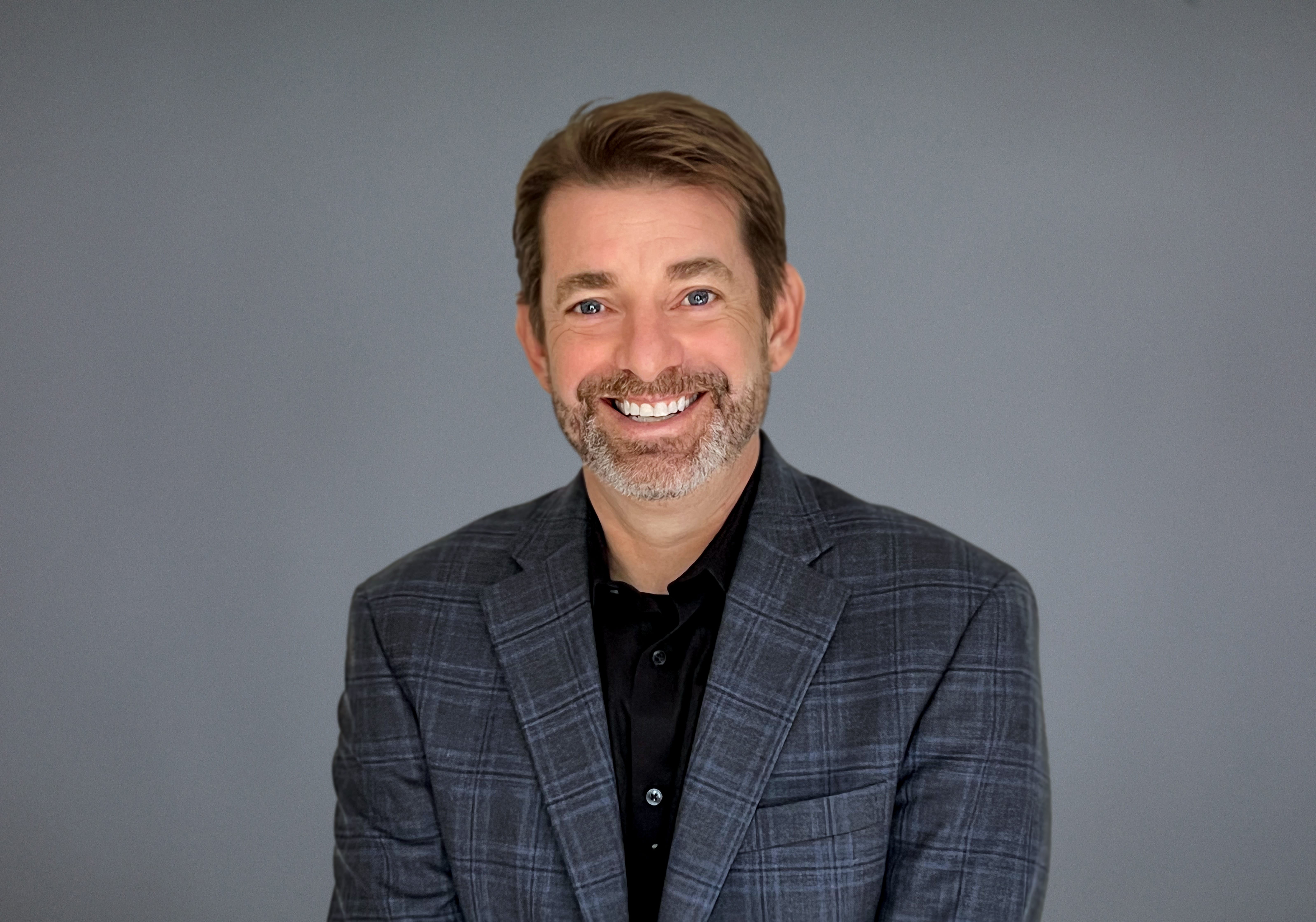
Roman serves as Director of the Center on Public Safety and Justice at NORC. He is a “nationally recognized expert on justice systems, firearms data, and evaluating safety and justice programs.” He has been the lead investigator in several projects related to firearms, criminal justice data, and more.
CC: What sparked your interest in studying crime? Was there anything specific?
I’m not sure! Maybe it was preordained: my formal training was 70% methods and 30% moral philosophy, my father was an investigator, and my brother is a prosecutor. When you shake that snow globe, I suppose a crime researcher is what you get. Also, there’s not a lot of opportunity for moral philosophers.
CC: Why Substack? What do you hope to achieve here? How do you balance storytelling with academic rigour when publishing?
There are very few outlets left in the social sciences to publish essays on general topics. Suppose you are interested in exploring why crime is up or down, whether crime acts like a virus (or not), how unemployment rates and the experience of being unemployed have different effects on crime, or something similar; there is nowhere to publish. The irony is that these are the questions the public, policymakers, and journalists explicitly ask. I hope to inject a bit of rigorous thinking into the questions that curious people seem most interested in, and Substack is a great way to do so.
CC: Briefly, what is the most pressing issue or the most intriguing unanswered question in your field? Why do you think it matters today?
Criminologists have few answers for why crime goes up and down—the field is focused on individual behaviors, why people commit crime, or why they desist. So there really is no policy guidance coming from the field. Suppose you ask, in a place with a lot of gun violence, should the government invest in community-based violent interventions or should it bring in the national guard? You’ll get a lot of theory, but not much in the way of empirical evidence. I think the field should have evidence-based answers to these questions.
CC: What’s the most surprising or counterintuitive thing you’ve learned in your research? Are there any historical cases or theories that you believe deserve more attention? Why?
Probably the most surprising finding in the field is that almost all of the credible explanations for the crime decline of the 1990s (and the decline of the last three years) have nothing to do with the criminal justice system. This should not be a surprise—if you read the conclusions of the Lyndon Johnson Commission on Law Enforcement and the Administration of Justice, published in 1967, you will find that about half of the recommendations are aimed at systems other than the criminal justice system. Somehow, we’ve forgotten these lessons.
CC: If the public could grasp just one key idea about crime and efforts to reduce criminal activity, what would it be and why?
I’d start by making an effort to educate people on key definitions. Crime and disorder are not the same thing. Prevention and deterrence are very different ideas. Security and policing are totally different. The big one is that the police deter crime, but they do not prevent it. Police and policing are really designed to deter crime—to raise the expected costs of committing a crime. Prevention—removing risks and building human capital—is something someone outside the police has to do. Once you understand that, it becomes easy to see how investing in schools and communities is a crime-fighting strategy.
CC: What role do you think science and medicine should play in crime prevention? Do you worry about how these can be exploited?
We do seem to be on the cusp of important and helpful medical advances. One explanation for why crime declined in the 1990s was that anti-anxiety, anti-depressant, and anti-psychotic medications became widely available.
Now, there is emerging evidence that GLP-1s can help with a range of disorders, including behavioral health and substance abuse, which is very exciting. On the technology side, I would expect policing to look almost entirely different in five years as a range of sophisticated surveillance technologies becomes widely available. This will change the deterrence calculus in material ways, and is very promising, though I do worry that this will seriously curtail civil liberties without regulation.
I can’t predict yet whether the net effect of this surveillance age will be negative or positive.
CC: You must find many dark, disturbing, and challenging materials during your career. How do you deal with this work?
It’s a challenge. I worked with a team that coded data from hundreds of hand-written records of sexual assaults and homicides. I read the excruciatingly detailed Secret Service account of what happened in the two classrooms at Sandy Hook Elementary. I meet victims of terrible crimes and officers who have dealt with hugely traumatic incidents. Etc. It definitely wears on you. I think it is a big part of why I’m on Substack—academic publishing does not move the needle on policy, so I’m searching for a better way to help. It feels less challenging if you feel like you are making some contribution.
CC: We think our readers would find your work valuable. Could you recommend 2-3 of your posts?
Thanks! This article describes hundreds of evidence-based policies that could reduce crime that do not involve the justice system:

This article talks about the recent crime spike and subsequent crime decline and identifies causes that explain both:
We are always looking for accounts to follow and others to feature in Beyond the Archives. Please share your recommendations in the comments.